
Completion requirements
1. Physiotherapists, also known as physical therapists, are skilled in promoting mobility, function, and quality of life through physical intervention.
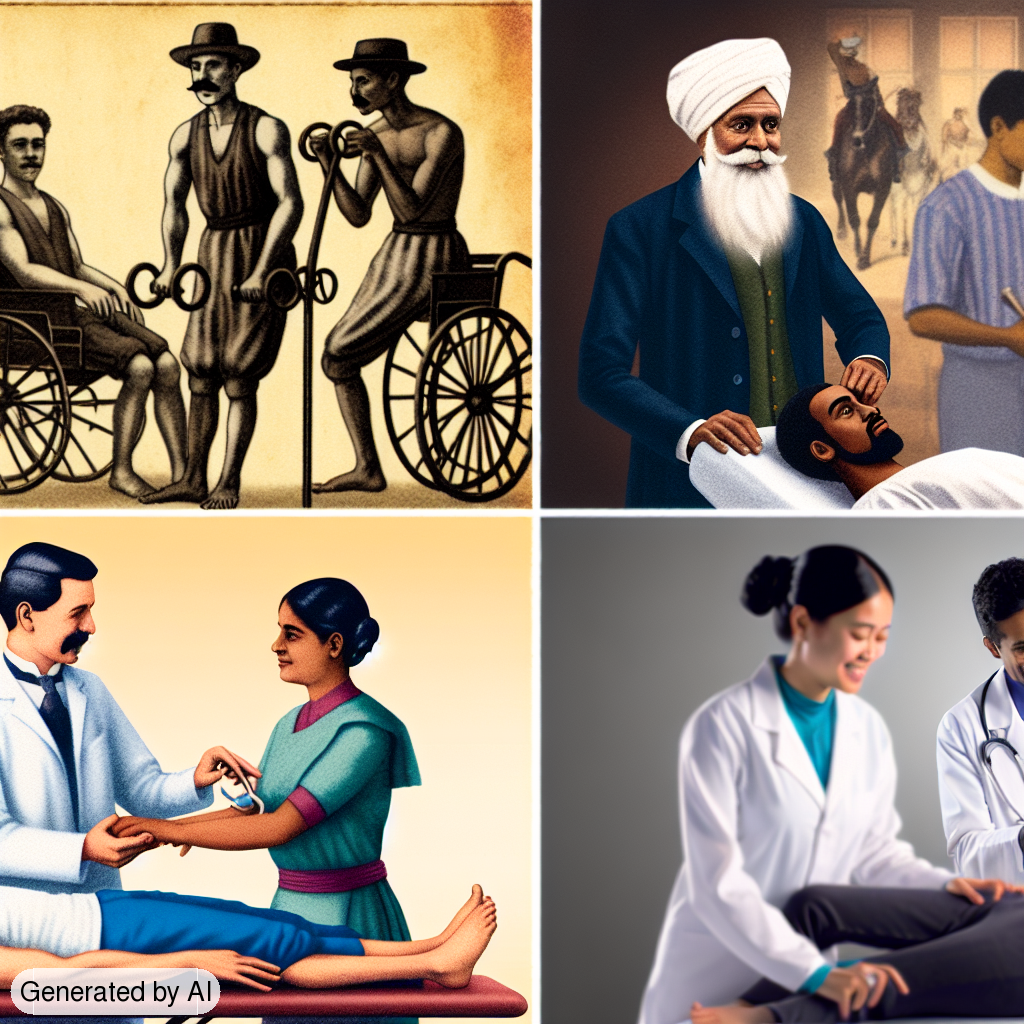
2. The profession has roots that can be traced back to ancient Greece around 460 BC, where techniques like massage were used for therapeutic purposes.
3. Physiotherapy was officially recognized as a profession in modern times in 1813 with the establishment of the Royal Central Institute of Gymnastics in Sweden.
4. They work in various settings, including hospitals, private clinics, rehabilitation centers, sports facilities, and sometimes homes.
5. Physiotherapists can specialize in different areas such as orthopedics, neurology, sports medicine, pediatrics, geriatrics, and women's health.
6. They use a variety of techniques, including exercises, manual therapy, electrotherapy, and aquatic therapy.
7. In many regions, physiotherapists require a license to practice, which typically involves completing a graduate degree and passing national examinations.
8. The World Confederation for Physical Therapy (WCPT) represents physical therapists worldwide and advocates for the profession globally.
9. Physiotherapy can significantly reduce the need for surgery by improving strength and physical function.
10. Technology is playing an increasing role in physiotherapy, with the use of devices such as virtual reality for rehabilitation exercises.
11. Physiotherapists often work closely with other healthcare professionals to ensure comprehensive patient care.
12. Some physiotherapists are involved in research and the development of new treatments and rehabilitation methods.
Last modified: Thursday, 22 January 2026, 11:34 PM